Cosmetic Dentistry Bakersfield CA Services for New Patients
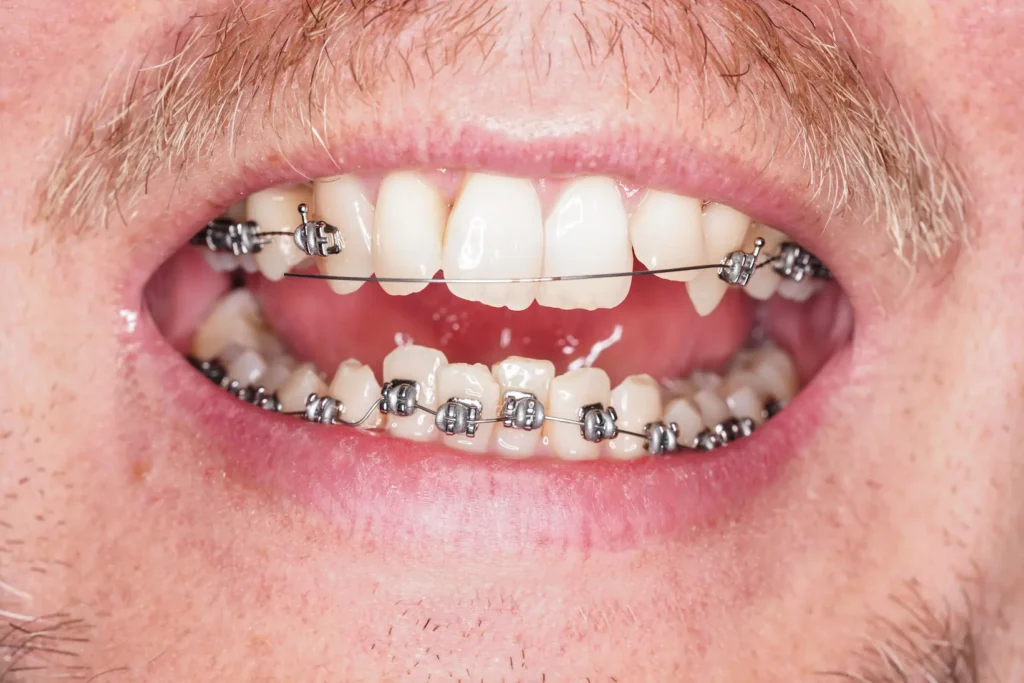
A first cosmetic dental visit usually starts with a simple question that carries more weight than people expect: “What do you want to change when you smile?” Some new patients answer right away. They mention a front tooth that darkened after an old injury, small chips that catch the light in photos, or crowded lower teeth they have learned to hide. Others hesitate because they are not sure what counts as cosmetic and what counts as necessary dental work. In real practice, those two categories overlap more often than people think.
For new patients exploring Cosmetic Dentistry Bakersfield CA services, the best starting point is not a menu of treatments. It is a clear understanding of what bothers you, what your oral health can support, and how much change you actually want. A good cosmetic plan should look natural in Bakersfield sunlight, hold up to daily use, and fit your budget and timeline without promising miracles.
The strongest cosmetic outcomes are rarely the flashiest. They are the smiles that look like they were always meant to belong to the patient.
What new patients usually want to fix
Cosmetic concerns tend to sound small when people say them out loud. “Just a little whitening.” “One veneer, maybe two.” “I only want this one edge repaired.” Yet those details can affect the whole expression of the face. A tiny chip on a front tooth changes the way the upper lip frames a smile. Mild crowding can create shadows that make teeth look darker. Old fillings on front teeth often stand out more than patients realize because composite material stains differently over time than natural enamel.
In Bakersfield, many adults come in after years of putting cosmetic treatment off. Some have been focused on family expenses. Some moved, changed insurance, or simply got used to smiling with their lips closed. Then a life event pushes the issue forward. It might be a wedding, a job interview, a milestone birthday, or the return to in-person meetings after years of avoiding the camera angle that shows one worn tooth more than the others.
The most common concerns tend to fall into a handful of categories: color, shape, spacing, alignment, and the appearance of old dental work. Sometimes the problem is isolated. A single stained tooth after root canal treatment is a very different case than generalized yellowing from coffee, tea, tobacco, or age-related enamel wear. In other cases, the complaint sounds cosmetic but reveals a functional issue. A patient who says, “My teeth look short,” may actually have years of grinding that have flattened the biting edges.
That is why a cosmetic consultation should be more than a quick glance and a whitening brochure.
Why a healthy foundation matters before cosmetic work
Cosmetic dentistry only performs well when the underlying oral health is stable. This is the part some new patients do not expect, especially if the concern seems straightforward. They may want veneers or bonding right away, only to learn they also need a cleaning, gum treatment, bite adjustment, or replacement of failing fillings first.
That is not upselling. It is sound planning.
If gums are inflamed, they can change position after treatment, which affects symmetry around front teeth. If decay is present, placing cosmetic restorations before addressing it only traps the problem under something more expensive. If clenching is severe, a beautiful porcelain veneer can chip prematurely unless the bite is managed. Cosmetic treatment should never be used to cover active disease.
New patients are often relieved when this is explained clearly. Most people would rather do the case once and do it properly than chase repairs six months later. In Cosmetic Dentistry Bakersfield CA practices that take a comprehensive approach, the initial visit often includes photos, X-rays when needed, a gum and decay evaluation, and a conversation about habits such as grinding, smoking, heavy coffee use, or frequent snacking on acidic foods.
Those details shape the treatment as much as the shade guide does.
Teeth whitening is often the simplest starting point
Professional whitening remains one of the most requested cosmetic services for new patients, and for good reason. It is conservative, relatively affordable, and can produce a noticeable change without altering the tooth structure. For many people, whitening alone is enough to refresh the smile and make them postpone or avoid more extensive work.
The caveat is that whitening is not one thing. In-office whitening and take-home professional trays serve different goals. In-office treatment can create a faster visible lift, which is useful when someone has an event coming up. Custom take-home trays give more control over pace and sensitivity and can be easier to maintain over time. Patients with a history of sensitivity often do better with slower, supervised whitening than with aggressive over-the-counter strips.
Whitening also has limitations. It does not change the color of crowns, veneers, or tooth-colored fillings. If a front tooth has old bonding that no longer matches once the surrounding enamel brightens, the bonding may need to be replaced. Tetracycline staining, internal discoloration after trauma, and deep gray tones are also more complicated than ordinary yellowing. These cases can improve, but expectations need to be realistic.
In practice, whitening frequently works best as a first phase. Once the natural teeth are brighter, the patient and dentist can judge whether shape corrections or restorative updates are still necessary.
Bonding can solve small flaws quickly, when used judiciously
Cosmetic bonding has a lot going for it. It is conservative, usually completed in one visit, and useful for chips, minor gaps, uneven edges, and localized shape changes. For a patient who wants improvement without committing to porcelain right away, bonding can be an excellent option.
The key phrase is “when used judiciously.” Bonding is technique-sensitive. It can look seamless in skilled hands, but it is not as stain-resistant or as durable as porcelain in high-stress areas. A patient who bites nails, chews ice, tears open packages with front teeth, or clenches heavily may wear or chip bonding sooner. That does not make bonding the wrong choice, but it does make informed consent more important.
A common real-world example is the patient with one front tooth that chipped years ago and has become shorter than the adjacent tooth. Bonding can often rebuild that edge beautifully in a single appointment, especially if the surrounding enamel is healthy and the bite allows it. The result can be subtle enough that even close family members cannot identify which tooth was treated.
On the other hand, using bonding to dramatically reshape several front teeth that are dark, heavily restored, and under bite stress may lead to repeated maintenance. In that situation, porcelain may offer better longevity and color stability.
Veneers are popular, but they are not automatically the best answer
Veneers get a lot of attention because they can address multiple cosmetic issues at once. They can improve color, shape, length, proportion, and minor alignment discrepancies. For the right patient, veneers can be transformative. For the wrong patient, or for the wrong reason, they can be more treatment than necessary.
The best veneer cases usually involve patients with healthy gums, stable bites, and clear cosmetic goals. They may have enamel defects, worn edges, stubborn discoloration, small gaps, or teeth that are slightly misshapen. Veneers are especially useful when whitening alone cannot solve the problem and when bonding would not provide the long-term polish the patient wants.
What experienced dentists watch carefully is the balance between beauty and conservation. There is a major difference between preparing teeth minimally to enhance what is already there and aggressively reshaping otherwise healthy teeth to fit an oversized cosmetic design. New patients should feel comfortable asking how much natural tooth structure will be altered, how many teeth truly need treatment, and what the maintenance picture looks like over the next decade or more.
Good veneers should suit the patient’s age, face, lip movement, and personality. The goal is not to copy a celebrity smile onto every mouth. In Bakersfield, where people split time between professional settings, family events, and outdoor life under bright light, a natural result often outperforms an ultra-opaque, over-contoured look.
Clear aligners often make cosmetic work better, not bigger
A surprising number of cosmetic cases become simpler once teeth are moved into better position. Clear aligners can correct mild to moderate crowding, spacing, rotations, and bite discrepancies that make a smile look uneven. Sometimes a patient comes in asking for veneers because the front teeth overlap. After a proper exam, it becomes obvious that orthodontic movement would preserve more enamel and create a healthier result.
This is one of the most important judgment calls in cosmetic dentistry. Just because porcelain can mask misalignment does not mean it should. If moving the teeth first avoids unnecessary drilling and improves gum symmetry, that path deserves serious discussion.
For adults who assume they are “too old” for orthodontics, clear aligners often feel manageable. They are discreet, removable, and generally easier to fit into professional and social life than traditional braces. They do require discipline, though. Wearing aligners inconsistently extends treatment and compromises the result.
Aligners are also helpful before restorative updates. If a patient has old crowns or bonding on front teeth, aligning the teeth first may reduce the number of restorations needed later. In that sense, orthodontics can be a conservative cosmetic tool, not just a stand-alone treatment.
Replacing old visible dental work can refresh a smile more than patients expect
One of the least glamorous, most effective cosmetic upgrades is replacing aging restorations in the smile zone. Old bonding often picks up stain around the margins. Worn composite fillings can flatten edges and make front teeth look dull. Older crowns sometimes appear opaque or bulky compared with neighboring natural teeth.
New patients do not always come in asking for this specifically. They say, “My teeth look mismatched,” or “Something looks off in photos.” Often, the issue is not the enamel. It is the patchwork of restorations that no longer blend well.
This type of treatment requires restraint. Not every old filling has to be replaced just because it is old. But when a restoration is visibly failing or disrupting the appearance of the smile, replacing it with better-matched materials can make a significant difference. Modern ceramics and composite systems allow for more natural translucency, better Cosmetic Dentistry Bakersfield CA surface texture, and a more lifelike transition from restoration to tooth.
This is also where shade planning matters. A restoration that technically matches on a chairside shade tab can still look wrong in daylight if the tooth has complex translucency or internal character. Cosmetic work is part science, part craftsmanship.
What a first cosmetic consultation should cover
New patients sometimes assume the consultation will end with a price quote and a treatment date. A stronger consultation does more than that. It clarifies goals, identifies risks, and explains options in plain language.
At a minimum, the conversation should cover these points:
- What bothers you most about your smile, and what change would feel meaningful rather than excessive.
- Whether your teeth and gums are healthy enough for cosmetic treatment right now.
- Which options are most conservative, and which offer greater durability or broader aesthetic change.
- How long treatment may take, including any sequencing with cleanings, fillings, gum care, or orthodontics.
- What maintenance will be required, from whitening touch-ups to retainers or night guards.
When patients leave that visit understanding the trade-offs, they make better decisions. They are also less likely to regret choosing the fastest option when a slower one would have been more stable.
Cost questions are normal, and timing matters
Cosmetic dentistry is elective in many cases, so cost comes up early and often. That is appropriate. Patients should know not only the fee for a given procedure but also the likely maintenance over time. A lower-cost treatment that needs frequent repair may not be the cheaper choice in the long run. At the same time, the highest-cost treatment is not automatically the most sensible.
Whitening usually sits at the more accessible end of the spectrum. Bonding often costs less upfront than porcelain. Veneers and ceramic restorations cost more, but they can offer superior stain resistance and longevity in suitable cases. Clear aligners vary widely depending on complexity. If a patient needs both alignment and cosmetic reshaping, staged treatment may toothworksofbakersfield.com Cosmetic Dentistry Bakersfield CA spread costs over time while improving the final result.
An experienced dentist will also tell patients when not to spend money yet. If someone is considering major cosmetic work but has active grinding, an unstable bite, or untreated gum disease, delaying the cosmetic phase can protect the investment. That advice may feel less exciting in the moment, but it is often the mark of a careful practice.
Bakersfield patients often benefit from climate and lifestyle specific advice
Local habits and conditions matter more than people expect. Bakersfield patients often deal with long workdays, coffee on the go, sports for children and adults, and hot weather that can encourage frequent sipping of acidic drinks. All of that affects cosmetic maintenance.
People who whiten regularly but also drink coffee throughout the morning will usually need periodic touch-ups. Patients who play contact sports should discuss mouthguard protection before investing in veneers or bonding. Those who work outdoors may notice cosmetic changes more sharply because bright natural light reveals edge wear, surface stain, and color mismatch.
Smoking and vaping deserve an honest mention too. They influence stain accumulation, gum health, and healing. Cosmetic treatment can still be done in many cases, but outcomes and upkeep are better when these factors are addressed openly.
Choosing the right treatment means choosing the right level of change
One of the hardest parts of cosmetic planning is calibrating the result. Some patients fear any visible change and ask for treatment so subtle it may not solve the problem. Others arrive with inspiration photos that suit someone else’s face, age, or tooth anatomy but would look unnatural on them.
The best cosmetic dentistry lives in that middle ground where the smile looks brighter, more even, and more confident without looking manufactured. This is where digital imaging, before-and-after case discussions, and mock-ups can help, though they should be used as communication tools rather than guarantees.
A useful way to think about treatment is by level of intervention:
- minimal change, such as whitening, enamel smoothing, or small bonding
- moderate change, such as several bonded edge repairs or limited porcelain work
- comprehensive change, such as multiple veneers combined with bite or orthodontic planning
Many new patients start with the first level and only move further if needed. That approach preserves options.
Questions worth asking before you commit
Patients tend to focus on the final appearance, which is understandable, but a few practical questions often reveal whether the plan is thoughtful.
Ask how the bite will affect the restorations. Ask what happens if you whiten first and then re-evaluate. Ask whether all proposed teeth truly need treatment. Ask what maintenance the dentist expects over five to ten years. Ask to see examples of cases that resemble your own, not just dramatic smile makeovers.
Also ask what could go wrong. That may sound pessimistic, but it is one of the healthiest conversations in dentistry. Every treatment has limits. Bonding can stain or chip. Whitening can trigger temporary sensitivity. Veneers can require replacement eventually. Aligners only work when worn as directed. Transparent explanations usually signal careful care.
When cosmetic dentistry can change more than appearance
It is easy to dismiss cosmetic treatment as vanity until you watch what happens when patients feel comfortable smiling again. They soften in photos. They stop angling their head to hide one side of the mouth. They laugh without covering their teeth. In professional settings, that confidence matters. In personal life, it matters even more.
The strongest outcomes are often modest on paper. A whitening case, a single front-tooth bond, replacement of mismatched old fillings, or six months of aligners may not sound dramatic, yet the shift in self-consciousness can be substantial. That is part of what makes Cosmetic Dentistry Bakersfield CA services valuable for new patients. The work is not only about surface appearance. It often restores ease.
A good dentist will respect both sides of the equation. The emotional reason you want treatment is valid. The biological limits of your teeth are valid too. The plan should honor both.
A smart first step for new patients
If you are new to cosmetic dentistry, resist the urge to shop only by the treatment name. “I want veneers” is not a treatment plan. It is a starting preference. The better first step is a comprehensive evaluation with someone who can explain whether whitening, bonding, aligners, porcelain, or simple restorative updates make the most sense for your mouth.
That approach usually saves time, preserves tooth structure, and leads to a result that feels more personal. Some smiles need only polish and refinement. Others need sequencing and patience. The important thing is that the treatment match the person, not the trend.
For new patients in Bakersfield, cosmetic dentistry works best when it is conservative where possible, precise where necessary, and honest about maintenance. That is how small changes hold up, and how bigger changes still look believable years later.
Toothworks of Bakersfield, Dentist and Orthodontist
Address: 1030 H St #1, Bakersfield, CA 93304
Phone number: +16613239421
FAQ About Cosmetic Dentistry Bakersfield CA
What is considered cosmetic dentistry?
Cosmetic dentistry includes any dental treatment focused primarily on improving the appearance of your teeth, gums, or bite rather than treating a disease or restoring basic function.
How much does cosmetic dentistry usually cost?
The cost of cosmetic dentistry typically ranges from a few hundred dollars for minor touch-ups to over $20,000 for a comprehensive smile makeover, depending entirely on the specific procedure, materials used, and how many teeth are treated. Because most cosmetic treatments are elective, they are usually paid out of pocket without insurance coverage.
Is there a difference between a regular dentist and a cosmetic dentist?
Yes, a regular dentist focuses on your overall oral health and preventing disease, while a cosmetic dentist focuses on improving the look of your smile.